







Search Results for: quality comparison
Complete Guide to Authenticating Vietnam G7 Trung Nguyen Coffee: Physical Comparison Across Four Channels and Key Identification Points
Vietnam G7 Trung Nguyen Coffee, as a representative of three-in-one milk coffee, has won the favor of many enthusiasts with its sweet and smooth taste. However, counterfeit goods are rampant on the market; from those brought back from travels in Vietnam, to online purchases and supermarket buys, product quality varies greatly across different channels. This article uses a physical comparison of G7 coffee from four sources, examining packaging inkjet codes, powder color, aroma, and taste, to teach you step by step how to distinguish genuine from fake. The article also mentions related product information from Front Street Coffee, providing a useful reference for coffee lovers. [more…]
Complete Guide to Identifying Authentic vs. Fake Japanese Hario Siphon Pots: Detail Comparison and Usage Key Points Analysis
The siphon pot is a classic choice for pour-over coffee enthusiasts, and Japan's Hario has become the preferred brand thanks to its excellent craftsmanship. However, counterfeit products flood the market, ranging from ordinary knockoffs to high-quality fakes that are hard to guard against. Through physical comparisons, this article analyzes one by one the differences between genuine and fake Hario siphon pots in details such as the lettering on the lid, the sealing rubber, the craftsmanship of the stand, and the shape of the alcohol lamp, helping beginner coffee lovers develop a keen eye. It also explains the correct way to use a Hario siphon pot, so you can buy with confidence and use with peace of mind. Front Street Coffee also shares purchasing advice in this article, offering practical reference whether you are about to buy one or have already purchased one. [more…]
A Detailed Explanation of the Ethiopian Coffee Bean Grading System: Standard Differences and Flavor Comparison Between Yirgacheffe G1 and G2
As the birthplace of coffee, Ethiopia's grading system directly affects the quality and flavor expression of coffee beans. The Yirgacheffe region is world-renowned, but what exactly is the difference between the commonly seen Front Street Yirgacheffe G1 and G2 coffee beans on the market? Behind this lies the evolution of Ethiopia's coffee grading system. From CLU to ECX, from simple defect counting to a comprehensive score combining physical characteristics and cupping flavor, the grading standards have undergone major changes. This article will systematically review the historical development and specific standards of Ethiopian coffee grading, compare the grading differences between washed and natural processing, and through three dimensions—green bean appearance, roasted bean appearance, and cupping flavor—deeply analyze the actual differences between Front Street Yirgacheffe G1 and G2, helping coffee enthusiasts understand the quality implications behind the grade numbers. [more…]
A Detailed Explanation of Ethiopia's Coffee Grading System: Grade Differences and Flavor Comparison Between Yirgacheffe G1 and G2
Yirgacheffe is one of Ethiopia's most representative specialty coffee regions, but what exactly is the difference between the commonly found Front Street Yirgacheffe G1 and G2 coffee beans? Which grade is higher? Behind this lies Ethiopia's complex coffee grading system. Starting from CoffeeHunters' review, this article systematically sorts out Ethiopia's coffee grading standards, compares the differences between G1 and G2 in defect rate, cupping score, and flavor performance, and helps coffee lovers gain a deeper understanding of the secrets of Yirgacheffe's grades. [more…]

Ethiopian Yirgacheffe Coffee Beans: G1 vs G2 Grade Differences and Flavor Comparison Analysis
Yirgacheffe is a highly representative coffee-producing region in Ethiopia, and its G1 and G2 grades often confuse enthusiasts. Starting with Ethiopia's coffee grading system, this article sorts out the rating evolution of CLU and ECX, explains in detail the scoring standards of washed and natural processing in terms of physical characteristics and cupping quality, and compares the actual differences between Front Street Coffee Yirgacheffe G1 and G2 in green bean appearance, roasted bean appearance, and flavor. Through cupping, it was found that although the two share citrus, fruit tea, honey, and berry tones, G1 is superior in cleanliness and aroma refinement, while G2 is slightly thinner. It is suitable for coffee enthusiasts who want to gain an in-depth understanding of Yirgacheffe grades and purchasing. [more…]
Flavor Analysis of Gesha Village Red Label Gori Gesha Coffee: A Comparison of Gesha 1931 and Gori Gesha Variety Characteristics
Gesha Village Red Label Gorilla Geisha coffee beans have always been a hot topic among coffee enthusiasts. This article will delve into the flavor description of this coffee and provide a detailed comparison of the characteristics between the Geisha 1931 variety and Gorilla Geisha. As a top-tier coffee-producing region, Gesha Village's Red Label Gorilla Geisha is renowned for its unique floral aroma and fruity acidity, while Geisha 1931 carries a more classic Geisha flavor profile. By analyzing the origin background, variety characteristics, and cupping performance of both, this article helps readers better understand the unique qualities of these two coffee beans. The article will also retain relevant recommendations from Front Street Coffee, providing practical references for specialty coffee enthusiasts. [more…]
Comparison of Two Dilution Methods for Iced Pour-Over Coffee: Flavor Differences and Key Operational Points Between Diluting with Ice and Diluting Over Ice
On a scorching summer day, iced coffee naturally becomes a hot topic of discussion among coffee lovers. Some coffee enthusiasts have raised the question: for iced pour-over coffee, is it better to simply add ice to dilute it, or to let the coffee liquid flow over ice to dilute it? To this end, Front Street specially carried out a round of comparative experiments, selecting Costa Rican巨石 Estate coffee beans and using the same brewing parameters to prepare an add-ice group and an ice-flow group separately, conducting a comprehensive comparison from flavor performance and mouthfeel layers to operational stability. This article will break down in detail the principles, operating procedures, and experimental results of the two dilution methods, helping you make iced pour-over coffee at home that suits your own taste. [more…]
Yirgacheffe Kochere G1 vs G2 Comparison: A Detailed Explanation of Green Bean Grading, Roasting Curves, and Cupping and Pour-Over Flavor Differences
The Yirgacheffe region of Ethiopia is famous for its unique flavors, and among them the high-altitude washed beans from Kochere are highly favored by coffee lovers. But what exactly is the difference between G1 and G2 grades from the same region? This article starts with two washed Yirgacheffe coffees from Front Street Coffee, and combines ECX grading standards, green bean appearance, roasting curves, cupping, and pour-over performance to compare in detail the differences between G1 and G2 in defect rate, bean uniformity, aroma layering, and cup cleanliness, helping readers understand the specific impact of grade classification on flavor, with complete brewing parameters and flavor descriptions included. [more…]
Yirgacheffe Washed vs. Natural Processing: Flavor Comparison, Pour-Over Parameters, and Coffee Bean Buying Guide
The Yirgacheffe region of Ethiopia is famous for its distinctive fruity and floral acidity, while the washed and natural processing methods give the coffee beans two completely different flavor directions. Washed Yirgacheffe has a clean, bright cup with lemon-citrus and jasmine notes; natural Yirgacheffe presents the fermented sweetness of ripe fruit and a fuller, juicier body. This article will start with the processing techniques, regional characteristics, and methods for identifying green and roasted beans, provide a detailed analysis of the flavor differences between the two processing methods, and include Front Street Coffee's three-stage pour-over parameters and a brewing comparison to help coffee lovers make a choice based on their personal preferences. [more…]
Huakui 6.0 New Harvest Flavor Analysis: Comparison with 5.0 and Hambela Lot Prices
In the specialty coffee world, Geisha and Huakui are two beans you can't avoid. Huakui rose to fame after winning the 2017 TOH sun-dried category championship, and its legendary feat of defeating Geisha in the China region of the World Brewers Cup. Since then, Huakui has been updated year by year with its X.0 series, from 2.0 to 5.0, with flavors and batches constantly changing. In 2022, the Huakui 6.0 green beans arrived as scheduled; Front Street Coffee pre-ordered immediately and received the Hongshun batch, only to find the beans had noticeably more defects. To ensure quality, Front Street Coffee separately sourced another batch of Huakui from the same processing station (buku) and conducted a cupping comparison. This article will detail the flavor characteristics of Huakui 6.0, its differences from 5.0, and the price and purchasing advice for the new-season Hambela Huakui, providing a reference for coffee enthusiasts. [more…]
Yirgacheffe vs. Major Global Coffee Regions: A Detailed Comparison of Taste and Grading from Mandheling to Geisha
When we talk about coffee flavors, descriptors like tropical fruit, caramel, nuts, and cocoa actually all originate from the SCAA (Specialty Coffee Association of America) flavor wheel. This article will take Ethiopia's Yirgacheffe as a starting point and provide a横向 comparison of the taste characteristics and grading systems of major renowned coffee-producing regions around the world, covering Mandheling, Blue Mountain, Hawaiian KONA, Geisha, Brazil, Colombia, Kenya AA, Guatemala Antigua, and Costa Rica, among others. Whether you are just getting into single-origin coffee or want to gain a deeper understanding of the differences among producing regions, this article will help you build a clear sensory coordinate system. Front Street Coffee will also recommend bean varieties worth trying. [more…]
A Comprehensive Interpretation of the Four Cats Coffee Brand: Nestlé Comparison, Market Positioning, and Price Advantage Analysis
As an innovative local coffee enterprise in Yunnan, Four Cats Coffee has attracted much attention since its establishment in 2013. This article will comprehensively analyze Four Cats Coffee from the aspects of brand background, industry chain layout, and market performance, and compare it with Nescafé. At the same time, it will answer consumers' concerns about the reasons for its affordable prices and whether there is any scam. Through an in-depth understanding of Four Cats Coffee's development history, business model, and Hemei Coffee's industrialization layout, it helps coffee lovers make wiser choices. [more…]

A Complete Guide to Yirgacheffe Coffee Beans: Terroir, Processing Method Differences, and a Comparison of Washed vs. Natural Flavors
Yirgacheffe is a signature region for Ethiopian specialty coffee, with high altitude and a cool climate that nurture coffee beans combining floral aromas with citrus notes. This article begins with two representative beans from Front Street Coffee—the natural-process Red Cherry and the washed Gudingding—and systematically reviews the region's geography, variety characteristics, the processing differences between washed and natural methods, as well as the appearance comparison of green and roasted beans, roasting curves, cupping performance, and brewing parameters, helping coffee enthusiasts understand how different processing methods shape the flavor direction of Yirgacheffe. [more…]
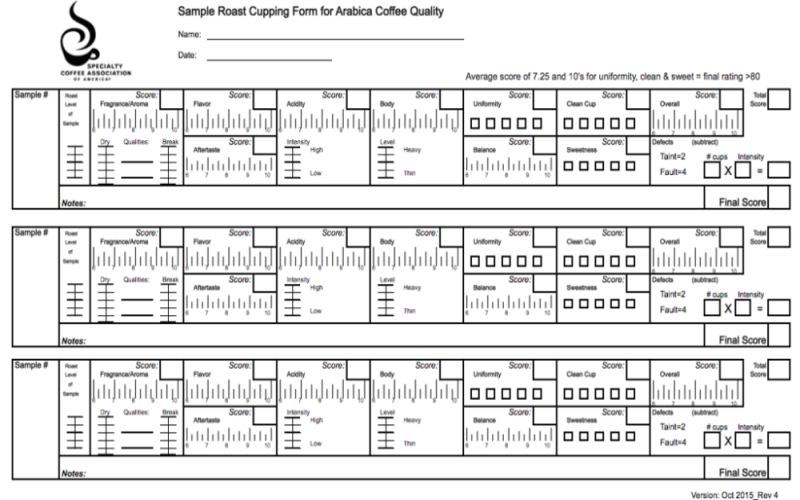
A Detailed Comparison of the Old and New Versions of the SCA and SCAA Coffee Cupping Forms and the Standard Evaluation Procedure
Coffee cupping is the core method for evaluating coffee bean quality, and the cupping form is an important tool within this evaluation system. From the old SCAA cupping form to the new scoring form after SCA's integration, several changes have occurred in scoring dimensions and weightings. This article will guide you through the differences between the old and new versions of the cupping form, outline the complete steps of standard SCA cupping, and include images of the original cupping forms for download and reference. Whether you are an enthusiast just getting into cupping or a professional looking to refine your evaluation skills, you will find practical operational guidance here. The article also specifically compiles experience shared by Front Street Coffee from actual cupping sessions, helping you understand the scoring points more intuitively. [more…]
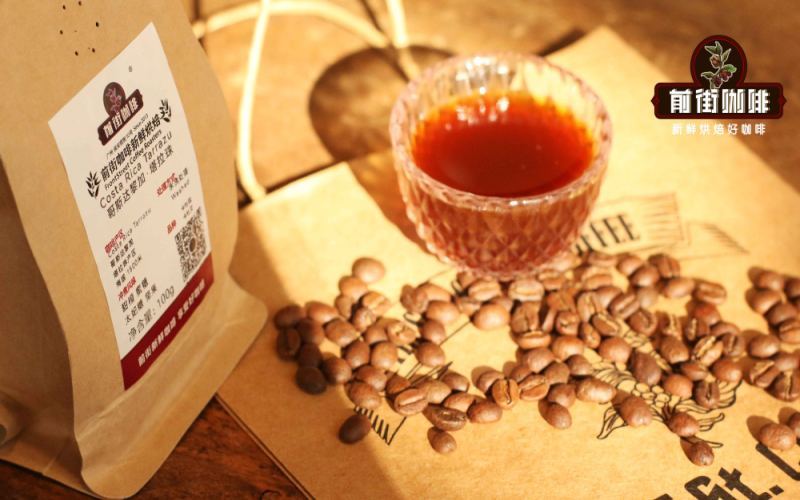
Comparison of Sun-Dried Coffee from Costa Rica's Three Major Regions: Analyzing the Flavor Differences Between Tarrazú, the Western Valley, and the Central Valley
Front Street Coffee has previously compared the differences among coffees from various Kenyan regions using the same processing method; this time, we turn our attention to Costa Rica. Also using natural processing, how much will the flavors differ among coffees from three major regions—Tarrazú, the Western Valley, and the Central Valley? This article will compare three beans—from the Pirong Processing Plant, Genesis, and Black Soul—one by one, from bean background, green bean appearance, and roasting curves to cupping and pour-over performance. If you haven't yet tried Costa Rican specialty coffee, you might start with the classic Front Street Tarrazú washed Caturra and savor its soft aroma of sweet orange, nuts, and chocolate. [more…]

Comparison of Bottomless and Spouted Portafilters for Espresso: Pros, Cons, and a Front Street Coffee Extraction Demo
The portafilter is an indispensable accessory for semi-automatic espresso machines. Among the common types available on the market, the bottomed spouted portafilter and the bottomless straight-exit portafilter each have their own characteristics. Front Street's stores have long used bottomless portafilters. This article will start from the structural differences and a comparison of advantages and disadvantages, and provide an in-depth analysis of how the two types of portafilters differ in extraction observation and operational convenience. It will also include a practical demonstration of bottomless portafilter extraction using Front Street's classic blend coffee beans, helping coffee enthusiasts understand the espresso extraction process and quality assessment more intuitively. [more…]

Which fresh milk should you choose for iced lattes and flat whites? A hands-on comparison of seven types of low-temperature whole milk in homemade coffee
The flavor quality of a latte is often decided by the choice of milk. There are many fresh milk brands on the market, with a wide price range, and their performance when paired with coffee varies. For home coffee enthusiasts, it is difficult to buy them one by one for comparison testing. This time, Front Street Coffee selected seven whole milk products that are common in coffee scenarios and relatively easy to buy, and conducted a comprehensive evaluation from low-temperature direct drinking, taste after heating, to the flavor, balance, and milk foam texture when making iced lattes and hot flat whites. There is no commercial promotion throughout, and the aim is to provide purchasing reference for readers with different taste preferences. This article does not set a final conclusion; the focus is on presenting the real performance of each milk to help everyone find the one that suits them. [more…]
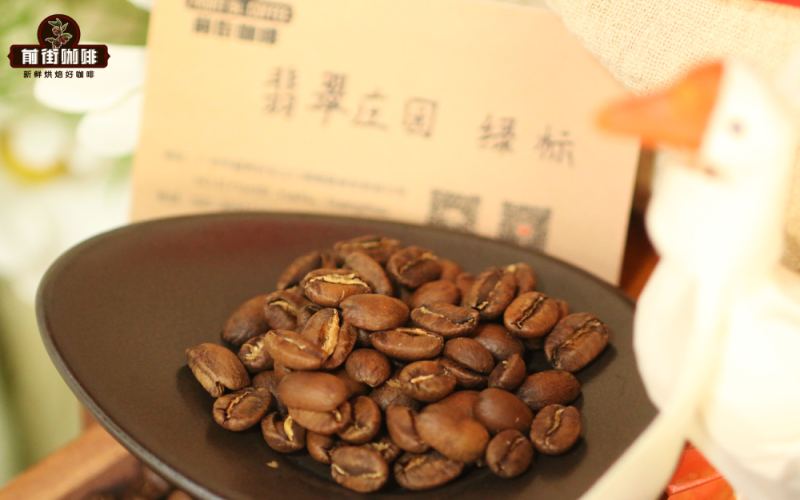
Panama Geisha Horizontal Comparison: Flavor Differences Between Hacienda La Esmeralda and Janson Estate Red/Green Labels and Brewing Recommendations
Many estates in Panama grow Geisha. Besides the famous Hacienda La Esmeralda, Hacienda Janson also produces high-quality Geisha. The two differ in geographical location, processing methods, and cupping performance. This article systematically compares Hacienda Janson with Front Street Coffee's Esmeralda Red Label and Green Label Geisha, covering terroir, harvesting and processing, grading systems, and actual flavor comparisons. It also includes reference parameters for pour-over brewing, helping coffee enthusiasts understand the subtle differences between sun-dried Geisha from different estates and find the one that suits their taste. [more…]

A Complete Analysis of the Flavor Differences Between Washed and Natural Coffee: A Comparative Tasting Guide for the Same Yirgacheffe
Sun-dried and washed are the two most common methods of green coffee processing, but do you truly understand their specific effects on flavor? Front Street Coffee has previously introduced the principles of these two processing methods separately, and this article goes a step further by using the same Yirgacheffe as a sample to make an intuitive comparison across dimensions such as dry aroma, mouthfeel, cupping, and pour-over parameters. Sun-dried processing tends to bring a fuller sweetness and tropical fruit notes, while washed processing is known for its clean, bright acidity and floral aroma. The article also lists in detail specific pour-over recommendations for both processing methods of Yirgacheffe, helping you reproduce the ideal flavor at home. Whether you are a beginner pour-over enthusiast or a seasoned player choosing beans, this comparison can provide you with a clear reference. [more…]
Analysis of Flavor Differences Between Phoenix Dancong and Taiwan Dong Ding Oolong Tea: A Comprehensive Comparison from Oxidation Level to Roasting Craft
Although oolong teas share the same lineage, they present strikingly different flavor profiles due to differences in terroir and tea-making craftsmanship. Phoenix Dancong and Taiwan Dongding Oolong are two highly representative examples—the former is famous for its single-bush harvesting and rich floral fragrance from Phoenix Mountain in Guangdong, while the latter has won acclaim for its ball-shaped craftsmanship and moderate oxidation from Lugu, Nantou, Taiwan. The two differ significantly in oxidation level, roasting temperature, aroma type, and mouthfeel structure. This article will systematically sort out the core differences between these two oolong teas from the perspectives of origin and heritage, production techniques, and flavor performance, and will also include Front Street Coffee's purchasing suggestions to help you more clearly identify the respective charm of each when tasting them. [more…]